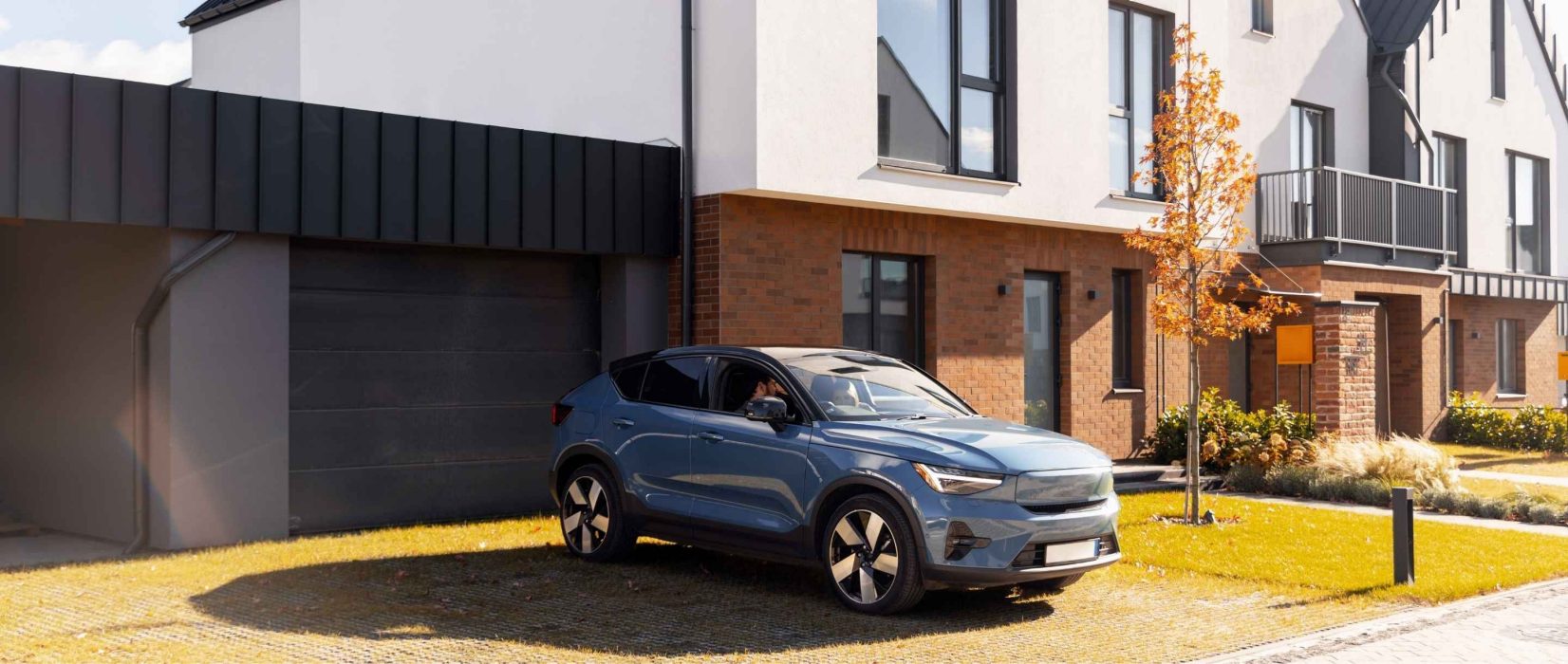
Dynamic Load Management: how dynamic load management works
The dynamic load management system, also known as dynamic load management (DLM), is a technology solution that helps tackle some of the major challenges of electric mobility. This solution is designed to prevent overloads and to optimise the available power within an existing electrical system. With dynamic load management, it is possible to manage multiple charging points efficiently, adjusting power output according to the available energy and active loads on the system, reducing the need for costly infrastructure upgrades to increase the contracted power capacity.
What is Dynamic Load Management (DLM) in EV charging
Designed to optimise the charging of an electric car, dynamic load management allows the vehicle to be charged at the maximum available power, compatible with the capacity of the electrical system. In both residential and business settings, a charging station or smart wallbox can automatically modulate the electrical power intended for the vehicle according to the active loads on the system, such as other electrical devices or additional charging points.
In doing so, energy is dynamically distributed across multiple charging points simultaneously, operating in total compatibility with the remaining capacity of the system. This system helps prevent overloads and reduces the risk of service interruptions, contributing to the overall continuity and efficiency of the electrical system.
Load management: the differences between static (SLM) and dynamic (DLM) modes
There are two main methods for load control and they determine the behaviour of the system in use:
- Static load management (SLM) distributes power in a fixed, predefined manner across all connected wallboxes. A simple solution, but not very flexible, as it does not take into account the variable consumption of other loads in the system. For this reason, it mainly suits installations with stable consumption profiles.
- Dynamic load management (DLM) is the advanced system that monitors overall consumption in real time and adapts available power according to active loads, including those that cannot be controlled, such as climate control or lighting.
With DLM, based on the data detected, the charging station or smart wallbox dynamically adjusts the power delivered. This allows charging to be modulated at times of high demand and increased again as soon as energy becomes available.
This makes DLM particularly suitable for homes with limited power, blocks of flats or companies running a fleet with multiple charging points. There are many application scenarios: from company car parks where energy needs to be distributed across multiple vehicles, to domestic users where car charging needs to coexist with other uses of the system without causing disruptions.
How load control works in charging stations
The operation of a charging station with dynamic load management involves a measurement system installed in the electrical panel, which allows real-time monitoring of the installation's consumption, or, depending on the architecture and the presence of multiple charging stations, an external measuring device. In many cases, current transformers (CTs) are used to detect the installation's power consumption; in others, especially in more advanced or higher power configurations, an external energy meter is used.
These devices provide the charging station, or the system that coordinates its operation, with the necessary information on the installation's consumption. In this way, the power intended for charging is adapted in real time so that the sum of loads does not exceed the available power.
This dynamic load management logic allows multiple charging points to be powered simultaneously within the same site, distributing the available power intelligently. The advantage is two-fold: on the one hand, the risk of overloads and service interruptions is reduced; on the other hand, it limits the need for intervention on the electrical infrastructure, such as installation upgrades or an increase in contracted power.
In the most advanced architectures, infrastructure coordination can also be entrusted to a Site Controller, or to a main station that oversees the system. This allows charging parameters to be managed centrally, the status of the stations to be monitored and, when required, communication to be integrated with software or supervisory platforms based on standard protocols, such as OCPP, thus allowing continuous remote control of the entire charging infrastructure.
The benefits of dynamic load management
Selecting a wallbox with load management brings tangible benefits in terms of both safety and cost optimisation:
- overload prevention, thanks to automatic modulation of charging according to other active loads, reducing the risk of service interruptions;
- cost optimisation, allowing the best use of available power and limiting the need for installation upgrades or increases in contracted power;
- increased efficiency, as charging power is dynamically adapted according to energy availability, without requiring manual intervention;
- scalability and flexibility, as new charging stations can be added over time, reducing the need for structural changes to the installation;
- photovoltaic integration, enhancing the energy produced locally and promoting self-consumption;
- control and oversight of infrastructure via digital platforms and management systems that enable remote monitoring and configuration
In contexts with multiple charging points, such as corporate, public or semi-public contexts, dynamic load management is particularly useful for distributing energy between the different connected vehicles, even based on the order of arrival.
Gewiss solutions for dynamic load management
Gewiss electric charging solutions with load management adapt to different application scenarios, allowing for optimised energy balancing based on the installation's needs.
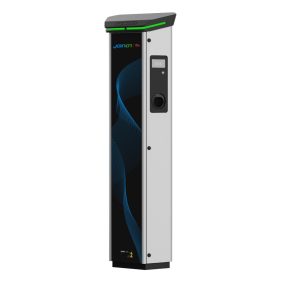
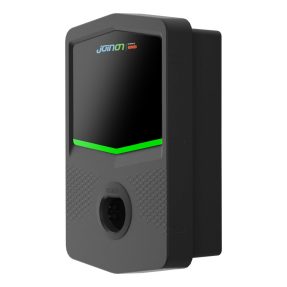
In residential settings, Gewiss I-CON EVO series load management wallboxes help reduce the risk of overloads and service interruptions. Thanks to integration with photovoltaics, the system promotes self-consumption, making the most of the excess energy produced by the system.
This series is also ideal in larger condominiums and residential complexes, where multiple connected wallboxes share the available power, allowing for balanced distribution of energy between different users.
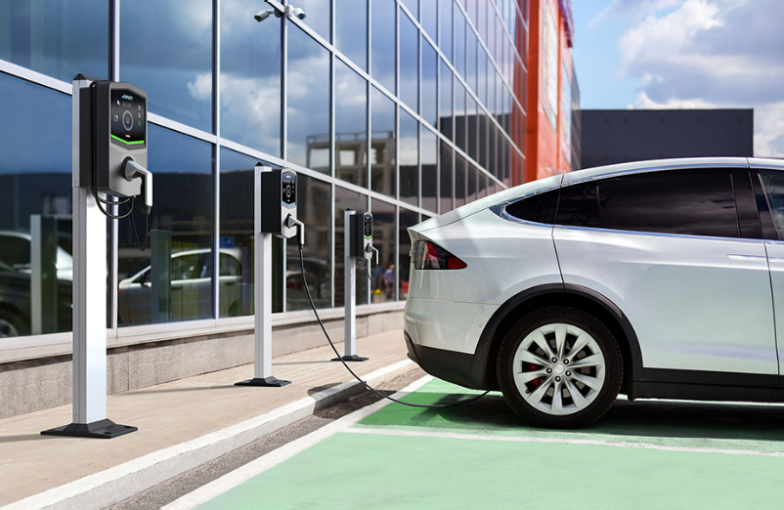
For fleets in business and commercial settings, Gewiss I-ON EVO EV charging stations optimise simultaneous charging during operating hours, limiting the need to increase the site’s contracted power. In shopping centres or office car parks, the system enables the management of peaks in building activity, helping to protect the electrical infrastructure.
These charging stations are also designed for public settings, where the central system regulates power distribution across multiple charging points, redistributing available energy between connected vehicles based on operational needs.
FAQ
This is an intelligent charging solution with sensors that monitor overall home or business consumption, adjusting the power delivered according to the active loads on the system.
Static load management allocates a fixed power output to each charging point, while dynamic load management monitors system consumption in real time and adapts charging based on the energy actually available.
Yes, load control can also work locally, via internal connections between devices, without the need for a cloud connection. In this way, the system continues to operate, ensuring power management even in the absence of a network.
Because it allows multiple charging points to be installed by leveraging the available capacity of the system, limiting the need for interventions such as upgrading electricity lines or increasing the contracted power.
Trending Topics
Related articles




Show other categories


You can enter the Gewiss world by consulting the sites available for each country, differentiated by language, services, and catalogue offerings
Choose your country


Check your country
You are browsing the International site but it seems that you are in {{country}}. Do you want to update your country?

Yes, go to the website for {{country}}

No, stay on the International site