Electric vehicle charging: a complete guide to times, costs and solutions
Electric vehicle charging is an area that requires thorough understanding when considering a transition to sustainable mobility. Understanding how electric vehicles work, how long they take to charge, and the associated costs is very useful when making an informed choice between home and public charging solutions. It will help you maximise convenience and efficiency.
How electric vehicle charging works and what changes between AC and DC
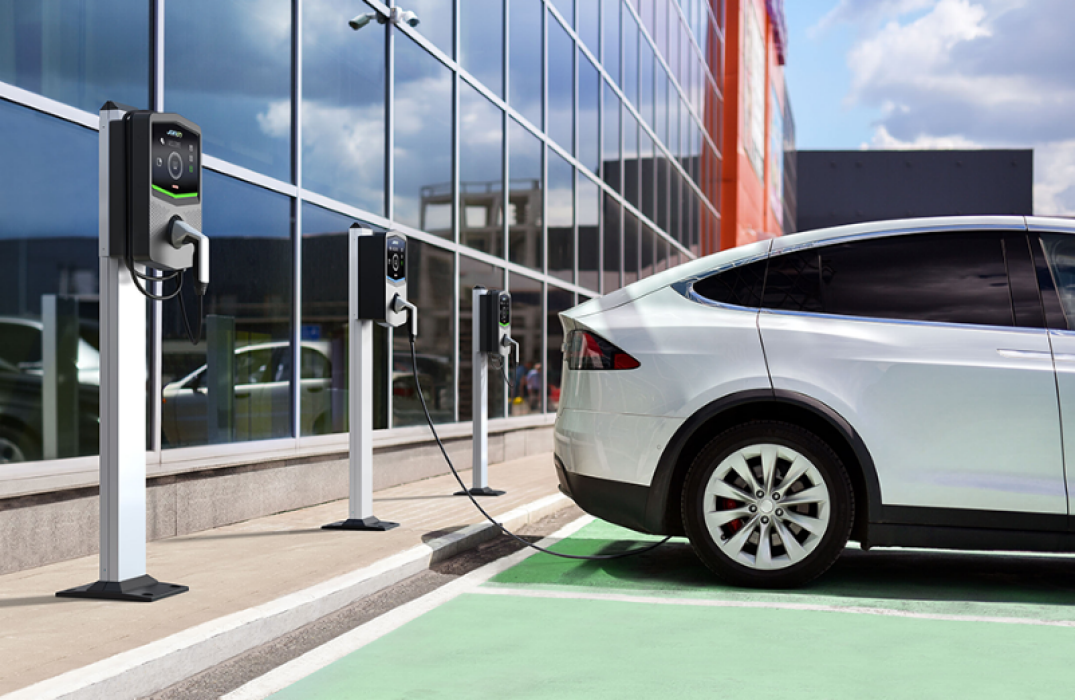
To understand how electric vehicle charging stations work, you need to know the basic principle. The electricity drawn from the grid is supplied by the charging station through the charging cable connected to the vehicle. Both types of current may be used, depending on the system.
- Alternating current (AC) is used in the most common electric vehicle charging stations, such as wallboxes and street chargers. Via the on-board charger (OBC), the vehicle itself converts the energy into direct current.
- Direct current (DC), on the other hand, is used in fast-charging or high-power charging stations, where the conversion takes place directly at the charging station.
The substantial difference lies in the power generated and the consequent charging times. AC chargers typically reach up to 22 kW and are ideal for longer stops; DC chargers, with their greater power, allow the rapid charging of electric vehicles.
This distinction is the basis for the different types of electric vehicle charging. It determines all decisions regarding charging times, costs, and the specifications of the necessary electrical system.
Wallboxes and public charging stations: selection criteria and errors to avoid
As mentioned, the choice between a wallbox for charging your electric vehicle at home and public charging stations depends on your usage needs and the infrastructure available.
To design a professional system, the key selection criteria relate to the necessary power output (which in domestic settings ranges from 3.7 to 7.4 kW) and actual compatibility with the vehicle’s on-board charger, so as to avoid unnecessary and costly oversizing.
Dynamic load management is also crucial in a modern, efficient system, as it helps prevent the electricity grid from becoming overloaded. The ability to use app connectivity allows users to monitor consumption in real time and plan charging sessions.
One of the most common mistakes to avoid is underestimating the condition of the existing electrical system, which may not be able to cope with prolonged loads.
Moreover, it is important not to attempt installation yourself without the support of qualified professionals who are able to ensure the correct sizing and a professional installation. This will prevent technical inefficiencies and guarantee maximum safety over time.
Types of electric charging: slow, fast and ultra-fast
As mentioned, the main types of electric vehicle charging are distinguished by their power output and charging times. Slow charging (using AC current) is ideal for home or work use, as it allows the battery to be fully charged during extended breaks.
Fast-charging stations for electric vehicles (using direct current, DC) offer shorter charging times and are used in urban and commercial settings. Finally, ultra-fast charging (HPC) is typical of high-speed road infrastructure. The choice of the most suitable solution depends on how the vehicle is used and how much time the user has available, as this directly determines how long it takes to charge the electric vehicle.
Where to charge your electric vehicle: solutions for home, business and car parks
Electric vehicle charging solutions are currently divided into three main categories, each with its own specific use cases.
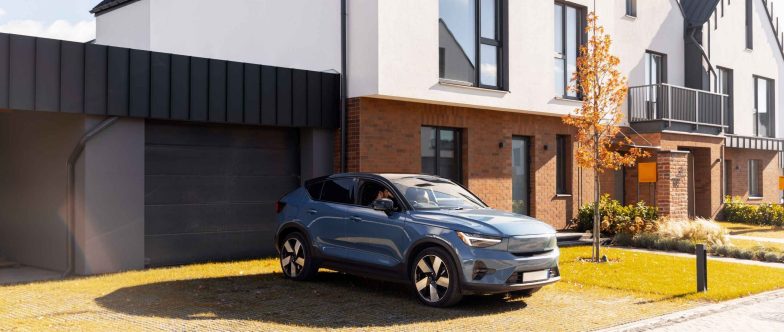
Electric vehicles are charged at home using a wallbox installed in the garage or private parking space. This allows you to make the most of overnight parking to recover enough autonomy for daily journeys, optimising energy costs. In this case, users who plug their vehicle in when they get home from work in the evening can charge the battery overnight, often at lower rates, ensuring it is fully charged by the morning.
In the corporate sector, there are electric vehicle charging stations made available exclusively for fleets or employees. These are equipped with smart energy management software to balance and distribute the available energy without disrupting production. This is the case, for example, foroffices with on-site parking, where load balancing allows multiple vehicles to be charged simultaneously during working hours without exceeding the company’s maximum meter capacity.
Finally, in public and semi-public spaces such as roads, shopping centres and motorways, both alternating current (AC) and direct current (DC) charging stations are available. These are essential for charging during short or medium stops. Stopping at an ultra-fast charging station on the motorway allows you to recharge 80% of the battery in around 20 minutes, ensuring a smooth journey without long waits.
Charging times and costs: the main factors
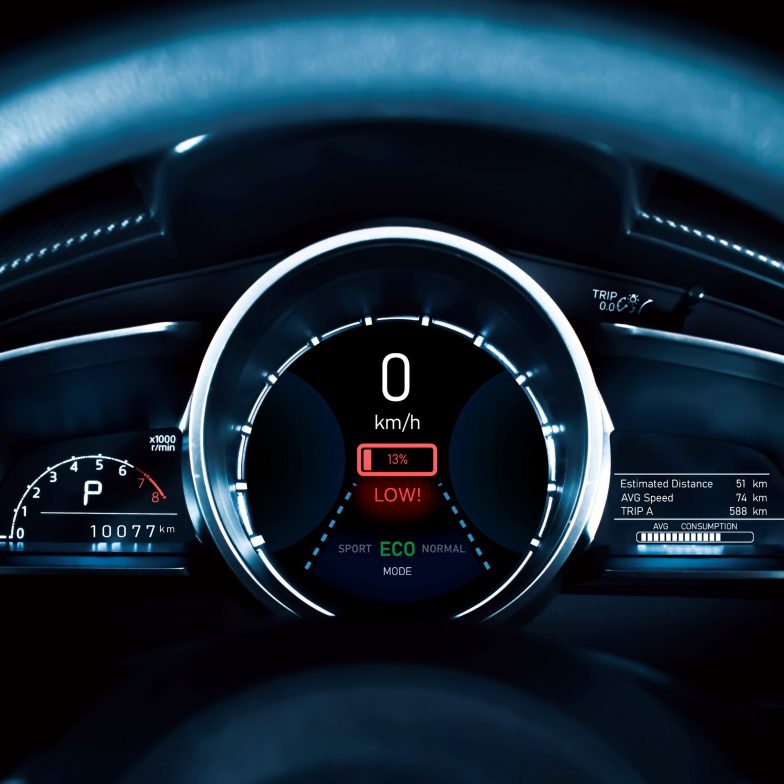
The charging times for electric vehicles depend on a number of factors, in addition to the type of power supply mentioned above. Battery capacity, the limit on the vehicle’s on-board charger, the charging station’s power output, and battery temperature and charge status all help determine the duration of the charging process.
The cost of charging an electric vehicle also varies considerably depending on the context. At home you can benefit from residential rates and, where applicable, integration with solar panels. In the public context, costs depend on the provider and the type of service offered (e.g. pay-as-you-go or subscription-based). Some options prove more cost-effective depending on frequency of use.
Wallbox and photovoltaics: how to best use power produced at home
Using solar panels to charge electric vehicles, in combination with a wallbox, is an efficient and cost-effective solution. It allows you to utilise surplus solar energy, recoup the cost of the system over the long term, and optimise energy flows.
Solar-powered charging stations for electric vehicles help reduce costs and increase household energy self-sufficiency, making the solar-powered wallbox system a key component of sustainable mobility.
FAQ
Electric vehicles can be charged at home using a wallbox connected to the domestic power supply. The vehicle is connected through a cable and can be charged while parked, particularly at night.
Charging times for an electric vehicle vary depending on the technology. On an alternating current (AC) supply, charging may take 6 - 8 hours, whereas on a direct current (DC) supply, a partial charge can be achieved in as little as 20 - 30 minutes.
For home use, 3.7–7.4 kW is sufficient, whereas faster charging requires higher power outputs. This choice affects how long it takes to charge the electric car.
The cost of charging varies depending on the circumstances and the service provider. At home, it depends on the electricity rate applied, whilst at public charging stations it may vary depending on the operator, the power delivered and possible access options, such as pay-as-you-go or a subscription.
The home wallbox is more cost-effective and convenient for everyday use. Public charging stations are indispensable for long trips or emergencies, when a quick charge is needed.
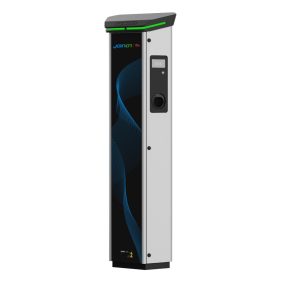
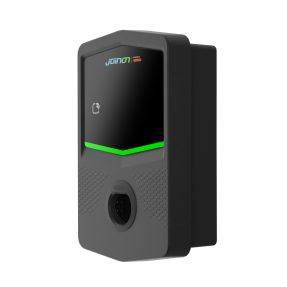
Discover related products
Trending Topics
Related articles




Show other categories


You can enter the Gewiss world by consulting the sites available for each country, differentiated by language, services, and catalogue offerings
Choose your country


Check your country
You are browsing the International site but it seems that you are in {{country}}. Do you want to update your country?

Yes, go to the website for {{country}}

No, stay on the International site