
Hotel access control: how to automate guest management
An advanced access control system for hotel rooms is a strategic choice to optimise operations in accommodation facilities and manage access to individual rooms and common areas, such as wellness zones, swimming pools or car parks, for both guests and service staff. In combination with other comprehensive solutions for the hospitality sector, access control is suitable for automating the functions of small and medium-sized facilities, including holiday residences and resorts, ensuring maximum comfort and constant monitoring in terms of safety and energy savings.
How a hotel access control system works
Hotel access management is based on the differentiated assignment of entry rights. The system can identify the user and enable access only to the areas authorised and during predetermined time slots. This approach is essential for both large hotels and smaller accommodation facilities, where guest flexibility and autonomy are key aspects of management.
Modern access control in hotels therefore operates through a network of smart devices that communicate with a supervisory control unit. Upon arrival, the guest is provided with a card or digital code that enables the electronic locks.
In hotel automation solutions, access is not just a matter of authentication and security, it can also automatically trigger welcome scenarios, allow lighting and temperature to be adjusted to individual preferences, and ensure a smooth transition to maximum comfort.
The main components of a guest management system
There are several hardware and software elements that communicate harmoniously with each other and with the central system, creating a system for controlling hotels and other accommodation facilities such as B&Bs. The most popular solution involves the use of transponder technologies, valued for their simplicity.
The most commonly used essential components include:
- Badge reader, installed outside the room, which allows the door to be opened and provides constant access monitoring (in-room presence); the reader performs a local check of the user's access credentials (shown on the card used to open the door) based on a list of authorised users sent by the central control system. In this way, the room access function can still operate even if the central system becomes temporarily unavailable.
- Locking devices, including electronic locks, turnstiles and automatic barriers.
- Guest management software, featuring a central platform to configure access permissions, monitor movements in real time and generate detailed reports.
- Power systems, consisting of modules with a battery backup to ensure full functionality even in the event of a power failure.
The various access control proposals offered by GEWISS provide integrated solutions in terms of function as well as aesthetics, ensuring seamless coordination with the domestic range. In addition, the evolution towards the digital hotel concierge enables the use of a smartphone as means of access, via QR codes or digital keys received by the guest before arrival.
What can be automated in a hospitality facility
Hotel automation allows for integrated management that goes beyond simply opening doors and includes many other aspects of day to day occupancy, reducing waste and improving overall building comfort and efficiency:
- Centralised management of lighting and the status of blinds, to prevent waste caused by devices being left on.
- Temperature locally managed by room thermostats but supervised by management through the central system, to avoid disruption and optimise energy consumption.
- Monitoring of electricity consumption and usage, with reporting of any load anomalies.
- Real-time supervision of safety and technical alarms (water, gas, smoke) and faults.
With these interconnected features, a hotel automation system can create customised scenarios and manage the entire infrastructure. In addition to the advanced level of customisation and comfort, the user experience can be enhanced by additional value-added services, such as charging an electric car at the hotel, for those who rent or travel with electric vehicles.
Reference technologies: standard and widely distributed
To ensure the scalability and reliability of an automation system for B&Bs and hotels, it is critical to rely on standard and widely distributed technologies. For communication backbones, such as those connecting the different floors of the facility, the use of TCP/IP protocols is recommended. Within the rooms, the main technologies include the standards such as KNX (adopted for Gewiss Home&Building PRO advanced home automation solutions ) and Modbus.
KNX-certified technology ensures a reliable and robust system, protecting the facility from the risk of obsolescence thanks to its widespread adoption and the availability of spare parts on the market. In more advanced architectures, such as those proposed via GW Host, ThinKnx (with the ViaVai solution) or the VDA Telkonet technologies, interoperability between TCP/IP and Modbus allows you to manage any type of hospitality facility with maximum efficiency.
GEWISS solutions cover a broad spectrum of needs, from those most advanced based on the VDA Telkonet offer, which specialises in hotels of any size and has already been adopted by leading global hotel chains, to other solutions such as GW Host and ThinKnx.
Benefits: why automate access control?
The adoption of centralised access control software brings tangible benefits in terms of cost and security, as the supervision of each environment allows a significant reduction in maintenance expenses and optimised management of temperature and consumption.
Key benefits include:
- Increased security through the use of technologies that enable high-level data encryption.
- Continuity of service, since access to rooms is guaranteed even in the event of a software failure, thanks to the local intelligence of readers and card slots.
- Real-time monitoring and constant monitoring of guest presence and the occupancy status of public areas.
- Reliability guaranteed by the use of open standards, which avoid the constraints of proprietary technologies and ensure that the system can always be updated.
The integration of a digital concierge and automated systems has the effect of elevating the guest’s perception of quality and transforms the hotel into a modern, safe and energy-saving facility.
FAQ
It is a set of hardware devices, such as the hotel badge reader, and access control software that regulates guest and staff entry into guest rooms and public areas, ensuring security and monitoring.
Installation requires wiring between readers and the facility’s data network. Configuration is done through guest management software, which allows you to programme permissions on cards or digital keys. The integration of a hotel access control system also includes an aesthetic aspect, which can be coordinated with the design of the hospitality facility.
In addition to the rooms, the management of car parks, wellness areas, conference rooms and pool areas can be automated. Furthermore, electric car charging systems can be integrated into the hotel, enhancing the services offered to customers.
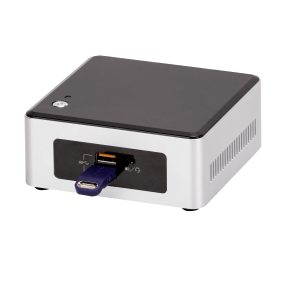
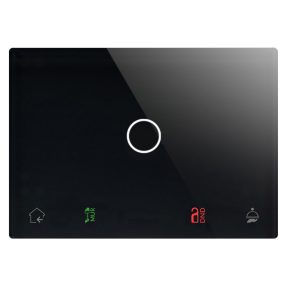
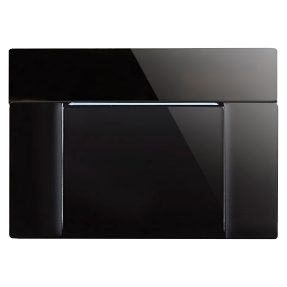
Discover related products

Trending Topics
Related articles

Show other categories


You can enter the Gewiss world by consulting the sites available for each country, differentiated by language, services, and catalogue offerings
Choose your country


Check your country
You are browsing the International site but it seems that you are in {{country}}. Do you want to update your country?

Yes, go to the website for {{country}}

No, stay on the International site