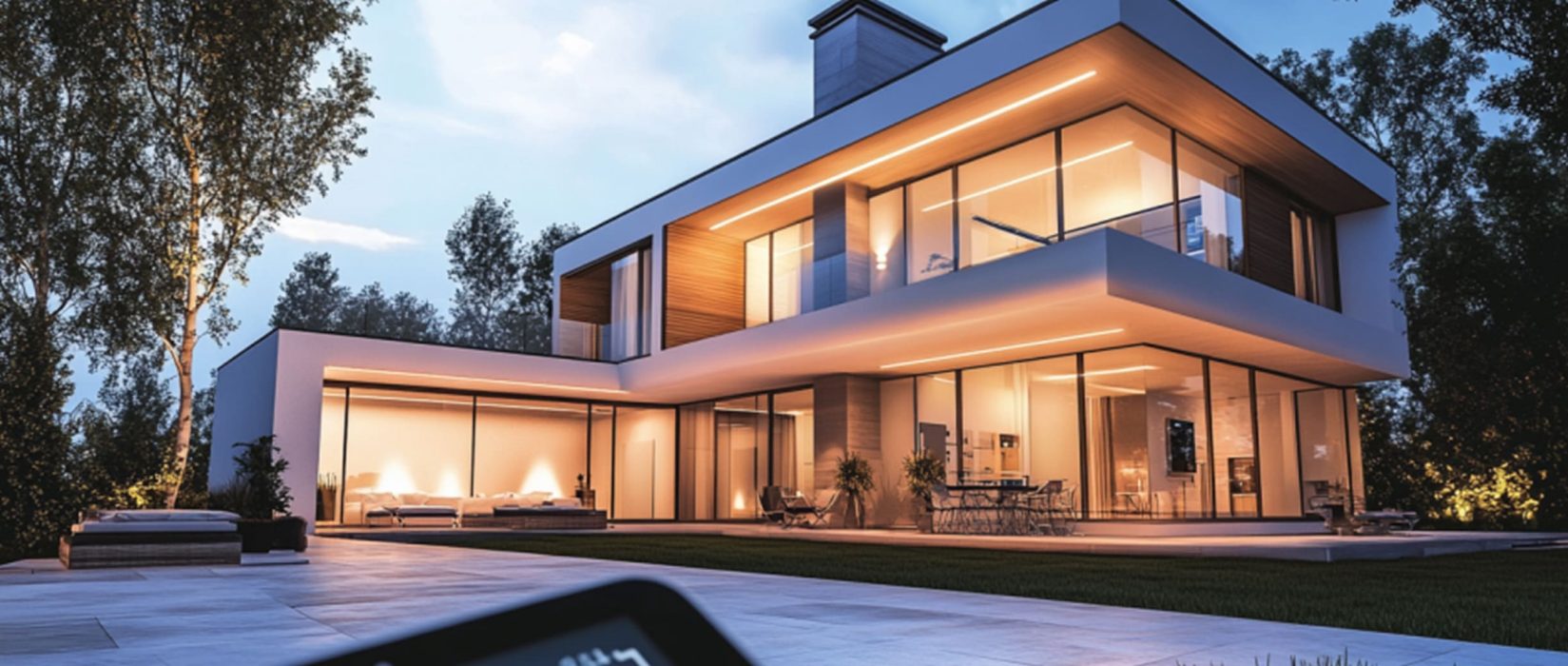
Connected electrical system: guidance on requirements, design and costs
A connected electrical system is the first step in preparing the home for a Smart Home (wireless) system or for a home automation (wired) system capable of meeting the diverse needs of the occupants. To achieve a professional result, it is essential to have a thorough understanding of the building’s characteristics and of the present and future needs of the occupants. By anticipating these needs and being aware of the best available solutions, it is possible to build a connected home that can meet specific functional demands while retaining the option for future expansion and upgrades.
The requirements of a connected electrical system
To build a home automation system or a connected Smart Home system, it is necessary to define specific requirements to ensure that the infrastructure is suitable for the devices that will be installed later. In fact, the diagram of a connected electrical system must take into account several structural and functional factors:
- the placement of loads, to be determined based on the placement of appliances, televisions and smart devices;
- the selection of a system equipped with a single electrical panel for the smart system or additional control panels distributed downstream of the main one;
- the verification of maximum distances between sensors and the nearest power point, to ensure signal and power stability;
- the sizing of the system, based on the number and type of smart devices to be installed;
- identification of the type of cables required based on the components selected;
- the definition of power supply and power requirements for devices, ensuring that the network can also withstand absorption peaks when using multiple loads at the same time;
- the provision for future system expansions, without the need to completely overhaul the system.
Products and solutions for the connected home: selection guide
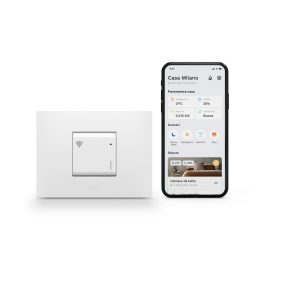
When choosing solutions for a connected system, one of the key elements to consider is the central hub, such as that of the Gewiss Smart Home ChoruSmart system, which enables the control of safety, comfort and consumption through the unique user experience of the Home Gateway app and integration with the most popular voice assistants on the market.
The main connected home devices cover lighting and the creation of automated scenarios, along with climate control with smart thermostats that reduce wastage by learning the occupants’ habits. On the security front, smart locks, movement sensors and door and window opening sensors make your home even more secure while increasing comfort.
Using apps, such as the aforementioned Gewiss Home Gateway app, you can control the building’s energy consumption, security and comfort. The system is based on the ZigBee protocol and integrates with the IoT platforms Google Home, Amazon Alexa and IFTTT, and all functions can be controlled via Google and Alexa voice assistants.
Device compatibility and connectivity are also very important. For example, for Smart Home solutions, the ZigBee protocol enables communication between different devices and the construction of an interconnected system open to future updates and expansions.
Technology comparisons: KNX and ZigBee systems
Solutions for building a connected home can be divided into two categories: home automation with wired solutions and Smart Home solutions, based on wireless technology.
The benchmark for wired systems is the KNX system, which guarantees reliability and an open global standard, yet it remains independent of cloud-based internet connections when it comes to automation control. Given the more advanced levels of automation and the materials and labour required for wiring, the initial investment is higher. For this reason, it is more suitable for new builds or full renovations.
The ZigBee protocol mentioned above is a lower-cost wireless standard, ideal for a modular approach and faster smart device installations. Wireless technology allows for an interconnected installation without any building work. It offers flexible operation, with each powered device also acting as a signal repeater.
Home automation installation: the installation and configuration steps
Home automation installation is a structured, technical process that requires specific expertise both for the installation work and for the configuration and activation of devices, depending on the functions they must perform.
In the installation and wiring phase, the wall chases are cut and, in addition to the 230 V power cables used to supply the various appliances, conduits and a BUS cable (not present in traditional systems) are also laid. This cable connects all the smart devices, enabling them to communicate and exchange information (commands and measurements) to perform the desired automation functions.
The actuators are then mounted in the panel or junction boxes and the system is connected to the internet network if remote control of the home automation functions is desired.
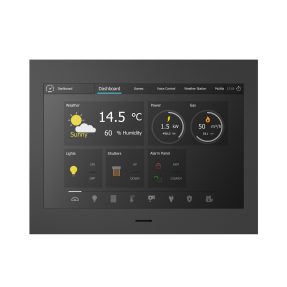
During the configuration step, the installer uses professional software to assign addresses and operating parameters for the devices. Finally, the app is configured on a smartphone or on the wall interface (touch device), which allows complete customisation of the smart home’s home automation by the user.
Home automation installation: how to adapt an old electrical system
Adapting an old electrical system into a home automation system requires technical analysis to determine the feasibility of its integration and to define the best course for the upgrade, which may follow different steps for implementation:
- if the existing conduits allow it, the previous cables are pulled out and the BUS cable is inserted to connect the control unit to the smart elements;
- if there is not enough room in the conduits, building work is required to cut new chases;
- the next step is the installation of the connected recessed controls and switches, and actuators and sensors connected to the control unit;
When economic or architectural constraints make structural changes impossible, a Smart Home system can still be created thanks to the flexibility of wireless technology, which allows sockets and adhesive switches to be installed without invasive wiring.
Costs of a smart system
The cost of a smart system, Smart Home or home automation is influenced by the technology chosen and the size of the building. As discussed above, a wireless system may be more cost-effective than a wired solution, which requires higher investment, yet it will still increase property value and enable the creation and management of more complex systems.
The solutions achievable on a lower budget relate to light and climate control. These are followed by intermediate setups, with multiple functions distributed throughout the home, up to complete systems with many advanced features such as custom scenarios, smart monitoring of electricity consumption and load management.
How to configure and integrate home automation with the ThinKnx platform
ThinKnx is a versatile platform for building supervision. It is ideal for both Smart Home and home automation systems, as well as for residential applications and for office complexes or large facilities, such as shopping centres. Configuration is done through the dedicated ThinKnx Up software for Windows PCs.
This programme allows you to define graphical interfaces, manage communication protocols, and seamlessly integrate the wired solutions of the KNX system with other technologies already in the building, guaranteeing the user total and intuitive control.
FAQ
The home automation (or domotics) system is a wired system that uses communication protocols such as KNX. A Smart Home system is based on wireless solutions, based on the ZigBee protocol. Wired solutions enable more complex systems, while wireless solutions make it possible to make various home functions smart without any building work.
The cost of a connected system can vary considerably depending on the complexity required, while wireless technologies enable intermediate levels of automation on a smaller budget.
It can be done by pulling out the old cables to insert a bus cable or use devices with the ZigBee protocol to add wireless components without building work.
Trending Topics
Related articles



Show other categories


You can enter the Gewiss world by consulting the sites available for each country, differentiated by language, services, and catalogue offerings
Choose your country


Check your country
You are browsing the International site but it seems that you are in {{country}}. Do you want to update your country?

Yes, go to the website for {{country}}

No, stay on the International site