
Ecodesign: definition, materials, and design examples
Ecodesign is an approach to sustainable design that integrates environmental, economic, and social criteria along the entire product life cycle, from the choice of sustainable materials to the digitalization of processes using the BIM method, and collaboration with technological partners for energy efficiency. Let's take a closer look at this ecofriendly design model, which is now setting new standards for industry and construction.
What we mean by ecodesign
Ecodesign, or sustainable design, refers to a process of design and implementation of a product that respects environmental equilibrium. In fact, the goal of sustainable design is to minimize negative environmental impact and improve quality of life through intelligent and conscious choices. Its other objectives are community participation, conservation of natural resources, and promotion of sustainable models of production, consumption, and development.
Some of its fundamental principles include reducing wasted resources, reduction, reuse and recycling of products, the use of renewable energy and the reduction of polluting emissions. At the operational level, this translates into careful design, selection of certified materials, responsible waste management and efficient planning of resources.
With regard to the regulatory landscape, over time the European Union has issued various official documents for ecofriendly design (Ecodesign), or all of the measures that regulate the design of products connected to energy consumption. The most recent of these is Regulation EU/2024/1781 of the European Parliament and Council, which entered into force on 18 July 2024. This modifies Directive EU/2020/1828 and Regulation EU/2023/1542 and abrogates Directive 2009/125/EC, establishing ecofriendly design requirements to improve energy efficiency and reduce environmental impact along the entire product life cycle.
Examples of sustainable design in energy design
There are several concrete examples of ecodesign projects that highlight how architecture and technology can converge towards sustainability. One example is The Edge, the Deloitte headquarters in Amsterdam, considered one of the most sustainable office buildings in the world. Designed by PLP Architecture, it integrates intelligent systems for lighting control, climate control, and efficient energy use, drastically reducing consumption and improving the comfort of occupants.
Another well-known example of sustainable design is CopenHill (official name “Amager Bakke”), a waste-to-energy plant in Copenaghen designed by the Bjarke Ingels Group. The building combines its industrial and social functions by not only producing energy for the city from 440,000 tons of waste per year, but also hosting a ski slope, as well as green spaces accessible to the public.
A significant design in Italy is ChorusLife, an advanced model of urban regeneration. The multifunction building brings together automation, energy management, e-mobility, and lighting into one integrated system. Joining design and sustainability, it harmoniously combines architecture and systems engineering. The design has created a scalable model smart city, able to meet the challenges of the future in terms of comfort, efficiency and innovation.
As can be seen, the best examples of ecodesign all share a basic principle: ecofriendly design is not only an ethical goal, but also a competitive advantage, capable of enhancing the brand, contributing to reducing consumption and improving the liveability of spaces.
Applications for sustainable materials in electrical systems
As mentioned, the choice of sustainable design materials is a fundamental aspect of sustainable design. In fact, components made from recycled materials or materials with low environmental impact are increasingly being used in electrical systems.
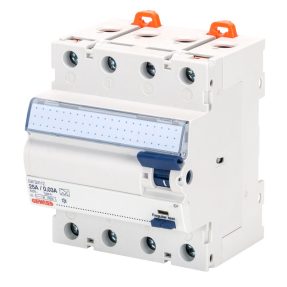
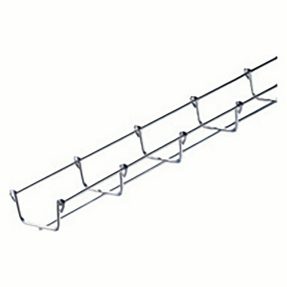
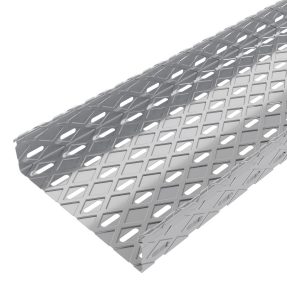
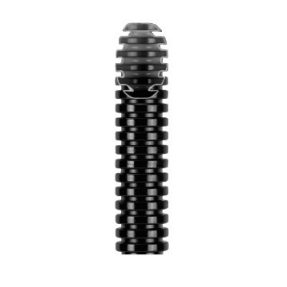
Some of the most significant examples include residual current devices, cable trays, and flexible protective piping systems, all designed to reduce the use of non-renewable resources.
More in-depth and documented information on a product's impact can be found in the Product Environmental Profile, which is an environmental declaration that contains precise information on the environmental impact throughout a product's life cycle, according to the LCA (Life Cycle Assessment) methodology.
PEP certification complies with the requirements of the ISO 14025 international standard and enables companies to measure and communicate the environmental impact of their products, promoting transparency and continuous improvement. It is a system of analysis and optimisation that supports the implementation of energy efficiency designs in compliance with European standards.
The LCA methodology upon which it is based is equally important, as it performs a structured and standardised calculation of the environmental footprint of a product or service, ranging from the extraction of raw materials to final disposal, including production, distribution, use, and so on. This enables targeted production and design choices that are more effective in reducing the overall environmental footprint of production.
Materials such as bioplastics, recycled aluminium and natural composites are emerging as alternatives to traditional materials, offering durability, safety and environmental compatibility in an increasingly sustainability-oriented market.
Sustainability in the design phase: the BIM method
Digital tools are also a strategic component of ecodesign, as demonstrated by Building Information Modelling (BIM), which allows the integration of different aspects of design (structural, architectural and plant engineering) into a single, shared digital model.
The BIM method allows for the efficient coordination of all parties involved and the management of the entire design life cycle. From the design phase to maintenance, it involves every stage of a design, revolutionizing the approach. Some of the main advantages of this method include:
reduction of design and construction costs and times;
reduction of errors thanks to 3D modelling and data sharing;
increase in the overall efficiency and quality of the design;
traceability and continuous update of technical documentation.
Combining sustainable design and digital tools like BIM is part of an evolutionary frontier in the management of complex projects, in line with the objectives of the European Ecodesign Regulation and increasingly specific efficiency targets.
Ecodesign and innovation: the role of technological partners
Collaboration with technology partners capable of supporting designers in the analysis and optimization phases is therefore an essential part of ecodesign processes, especially for large buildings and the management of complex, interconnected systems.
For example, energy calculation software makes it possible to precisely evaluate the thermal and lighting performance of a building, simulating efficiency and comfort scenarios prior to construction. Design decisions are therefore based on concrete data, geared toward reducing consumption.
The integration of these tools into sustainable design processes leads to the creation of even smarter and more adaptive buildings, capable of interacting with the surrounding environment and adapting to increasingly rapid changes in energy requirements.
In other words, the synergy between sustainable design and digital technologies is able to promote the spread of more resilient urban models, capable of joining functionality, efficiency, and well-being for people, putting into practice the combination of digital innovation and environmental responsibility.
FAQ
A sustainable design integrates environmental, social, and economic principles throughout the entire life cycle of the work, reducing environmental impact and improving quality of life.
Some of the most widely used materials are recycled plastic, reclaimed aluminium, low-carbon steel, and biopolymers, used for cables, conduits, and plant components.
Sustainable design allows companies to improve energy efficiency, access incentives and certifications, enhance brand reputation, and respond to market demands for innovation and environmental responsibility.
Explore the Related Series
Trending Topics
Related articles

Show other categories


You can enter the Gewiss world by consulting the sites available for each country, differentiated by language, services, and catalogue offerings
Choose your country


Check your country
You are browsing the International site but it seems that you are in {{country}}. Do you want to update your country?

Yes, go to the website for {{country}}

No, stay on the International site